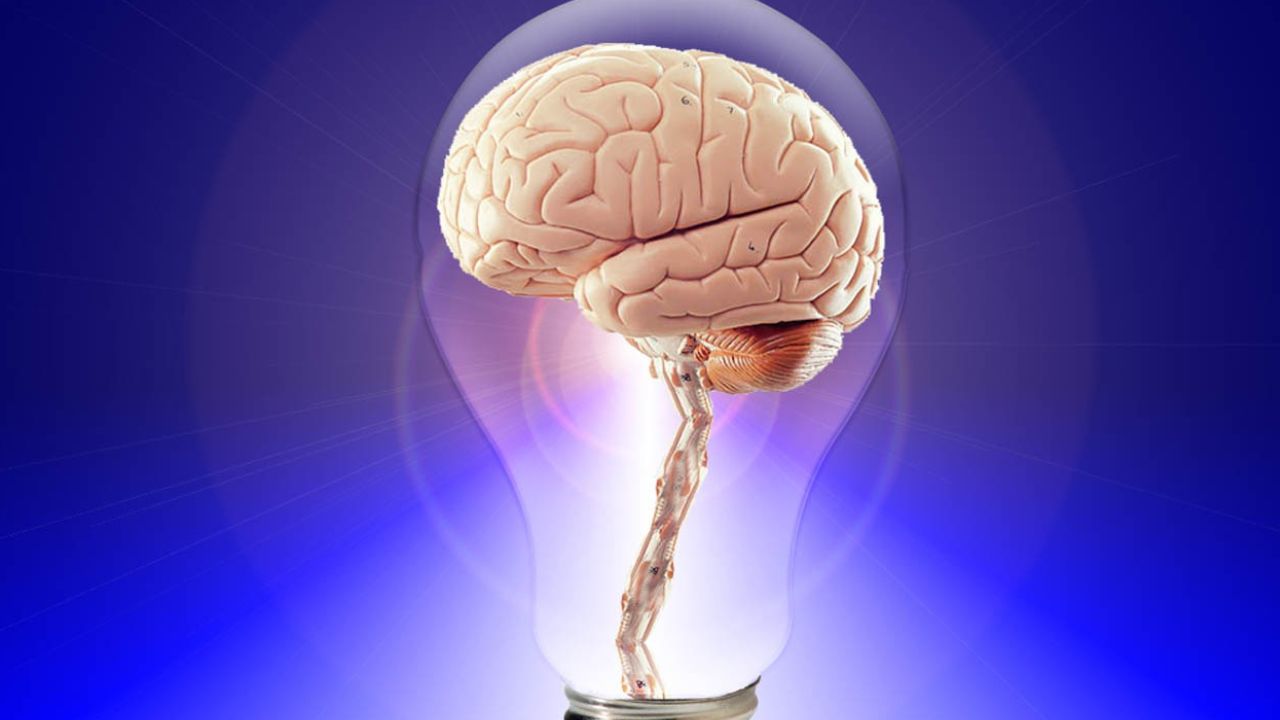
Neuroscience is the scientific study of the nervous system, including the brain, spinal cord, and networks of neurons that communicate throughout the body. It seeks to understand how these complex systems develop, how they function, and how they influence thoughts, emotions, behavior, and overall health. For beginners, neuroscience offers a fascinating window into what makes us human—from how we perceive the world to how we learn, remember, and make decisions.
The Basics of the Nervous System
At the core of neuroscience is the nervous system, which acts as the body’s communication network. It is divided into two main parts: the central nervous system (the brain and spinal cord) and the peripheral nervous system (all the nerves that branch out to the rest of the body). Together, these systems control everything from breathing and movement to complex mental processes like problem-solving and creativity.
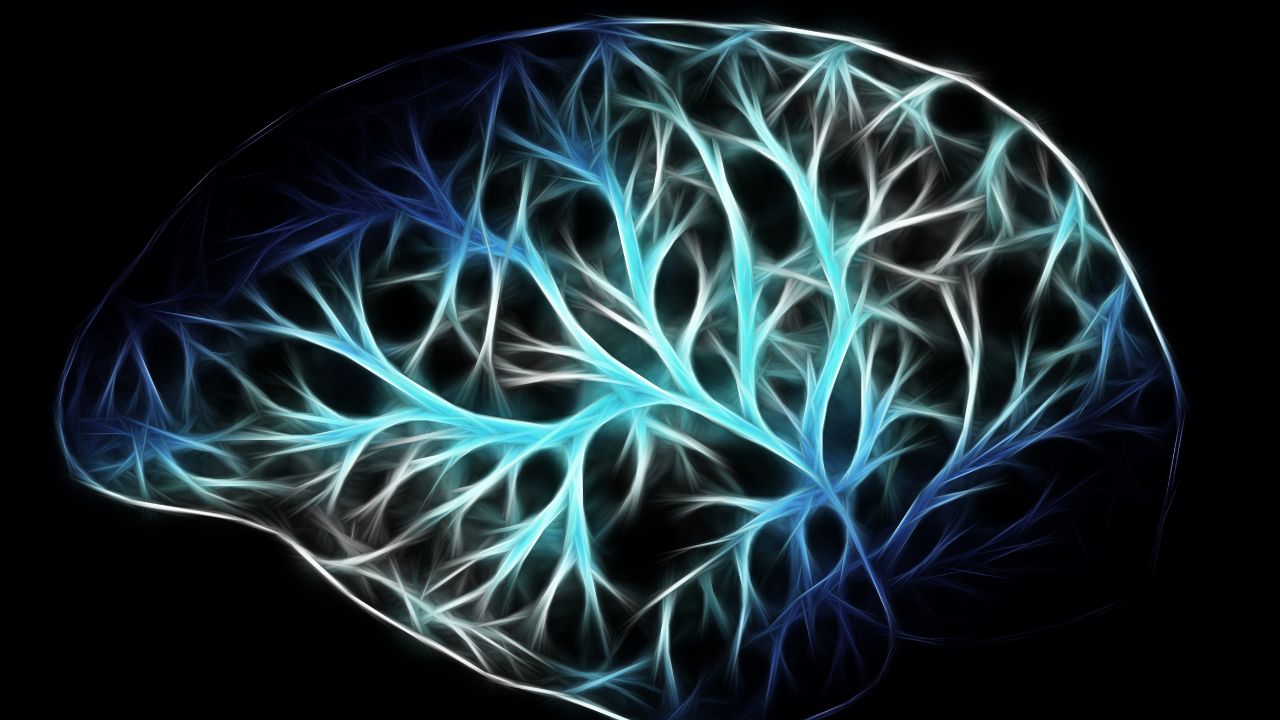
Neurons are the primary cells of the nervous system. They transmit information using electrical signals and chemical messengers called neurotransmitters. Supporting cells, known as glial cells, help protect neurons, provide nutrients, and maintain a healthy environment for neural communication.
What Does Neuroscience Study?
Neuroscience covers a wide range of topics and questions. Some neuroscientists study how individual neurons work, while others focus on entire brain regions or even behavior as a whole. Areas of interest include how the brain processes sensory information, how memories are formed and stored, and how emotions are regulated.
The field also investigates what happens when the nervous system does not function properly. Conditions such as epilepsy, Alzheimer’s disease, depression, and Parkinson’s disease are all studied within neuroscience to better understand their causes and develop effective treatments.
Major Branches of Neuroscience
Neuroscience is a broad field with many specialized branches. Cellular neuroscience focuses on the structure and function of neurons at the microscopic level. Cognitive neuroscience examines mental processes such as attention, language, and decision-making. Behavioral neuroscience looks at how brain activity influences behavior in both humans and animals.
Other important branches include developmental neuroscience, which studies how the nervous system grows and changes over time, and clinical neuroscience, which applies research findings to diagnose and treat neurological and mental health disorders.
Tools and Techniques Used in Neuroscience
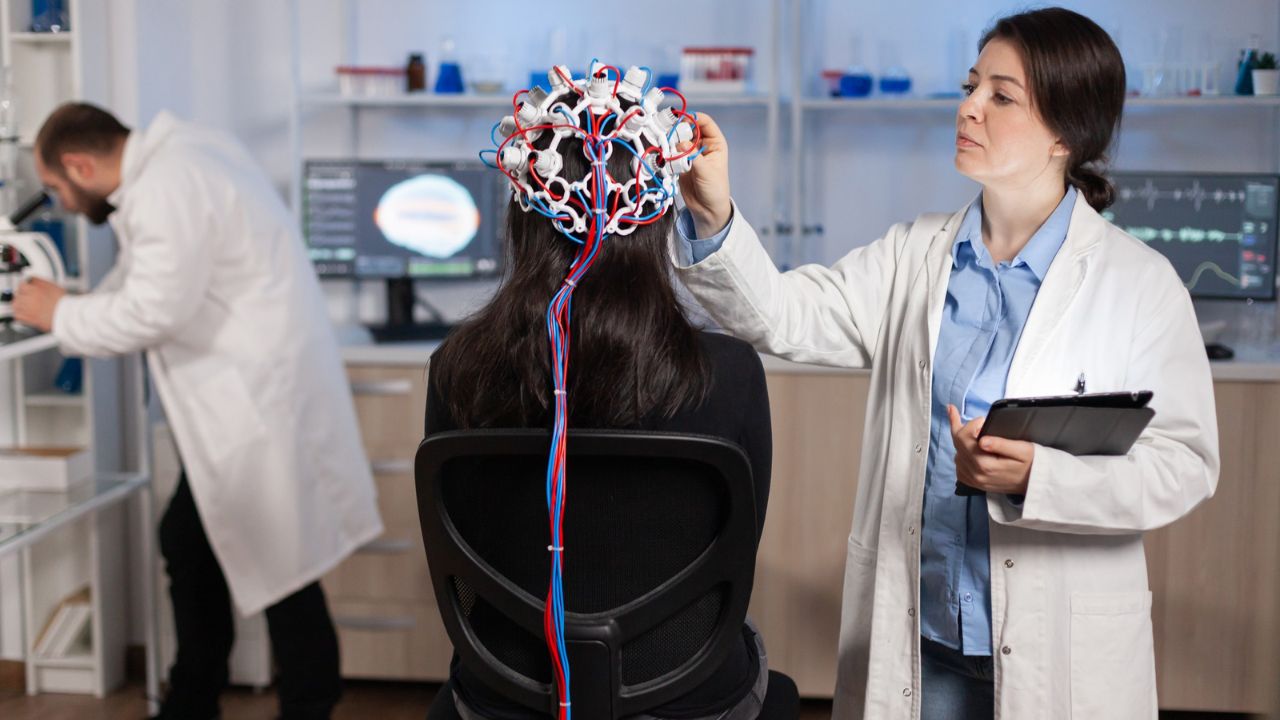
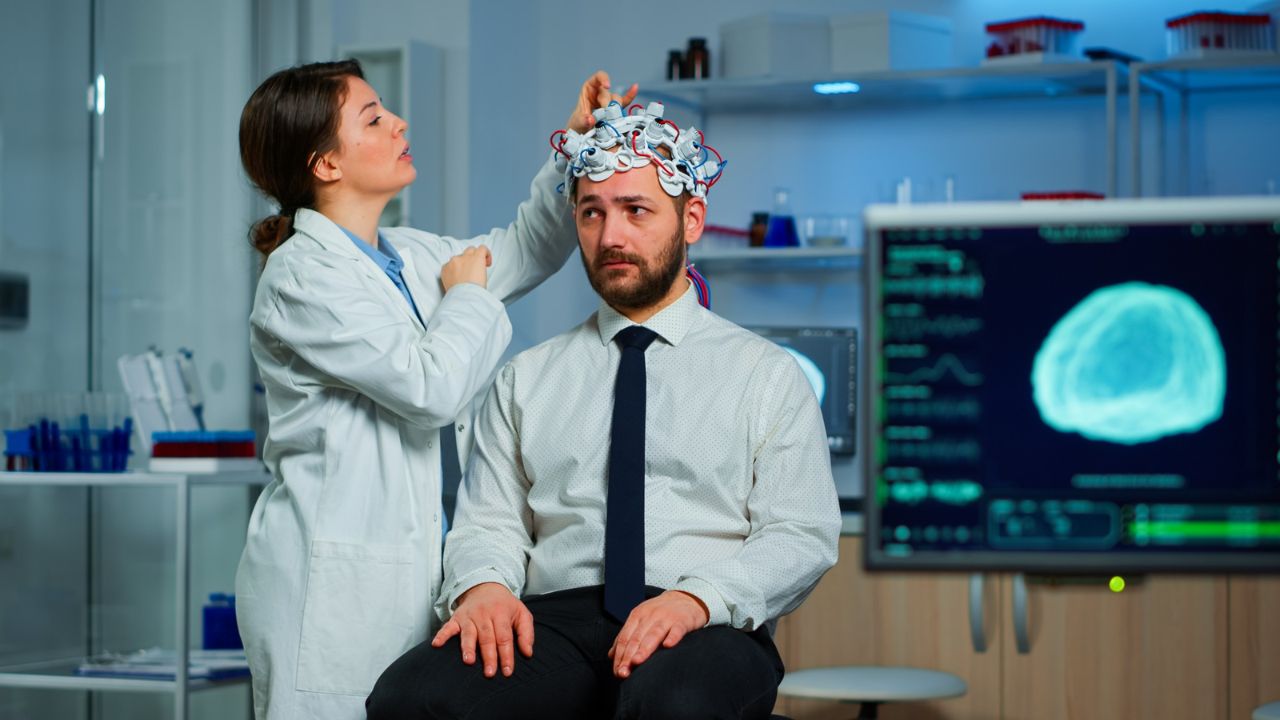
To study the nervous system, neuroscientists use a variety of tools and methods. Brain imaging techniques such as MRI and EEG allow researchers to observe brain structure and activity without surgery. These tools help scientists understand which parts of the brain are involved in specific tasks or experiences.
Laboratory experiments, computer models, and behavioral tests are also common in neuroscience research. By combining different approaches, scientists can gain a more complete picture of how the nervous system works.
Why Neuroscience Matters
Neuroscience has a significant impact on everyday life. It helps improve medical treatments for brain and nerve disorders and contributes to mental health care. Insights from neuroscience also influence education by shaping how we understand learning and memory.
Beyond medicine and education, neuroscience plays a role in technology, artificial intelligence, and even law and ethics. As we learn more about the brain, we gain deeper insight into human nature, responsibility, and well-being.
Getting Started in Neuroscience
For beginners interested in neuroscience, a strong foundation in biology, chemistry, and psychology is helpful. Many people start by reading introductory books, watching educational videos, or taking online courses designed for non-experts.
Curiosity is the most important trait for anyone exploring neuroscience. Asking questions about how the brain works and staying open to new discoveries can make learning this subject both exciting and rewarding.
FAQs:
What is neuroscience in simple terms?
Neuroscience is the study of the brain and nervous system and how they control thoughts, behavior, and bodily functions.
Do I need a medical background to learn neuroscience?
No. While advanced study may require science training, beginners can learn the basics through introductory resources and courses.
How is neuroscience different from psychology?
Psychology focuses on behavior and mental processes, while neuroscience studies the biological structures and functions that make those processes possible.