
The human brain is the control center of the body and the foundation of everything we think, feel, and do. From breathing and heartbeat to imagination and decision-making, the brain quietly manages countless processes every second. Although it weighs only about three pounds, its complexity surpasses any machine ever created. A simple scientific overview helps explain what the brain does, how it works, and why it is essential for everyday life.
The Brain as the Body’s Command Center
At its most basic level, the brain acts as the body’s command center. It receives information from the senses, processes that information, and sends instructions to the rest of the body. Sensory organs such as the eyes, ears, skin, tongue, and nose continuously send signals to the brain about the external and internal environment.
Once the brain interprets these signals, it decides how the body should respond. For example, when you touch something hot, sensory nerves send a message to the brain, which quickly signals the muscles to pull your hand away. Many of these actions happen so fast that they feel automatic, highlighting the brain’s role in protecting and regulating the body.
Major Parts of the Brain and Their Functions
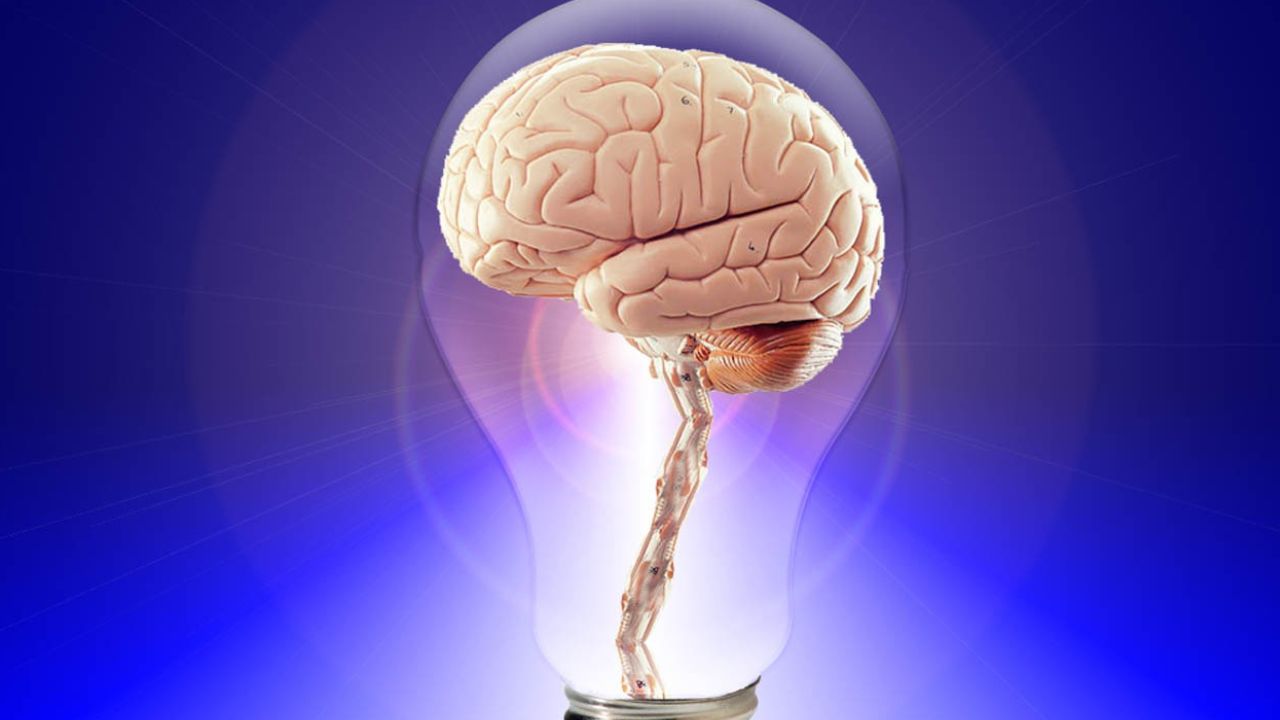
The brain is divided into several major parts, each with specialized responsibilities. The cerebrum is the largest part and is responsible for higher functions such as thinking, learning, memory, language, and voluntary movement. It is divided into two hemispheres that communicate with each other to coordinate complex behavior.
The cerebellum, located at the back of the brain, plays a key role in balance, coordination, and fine motor control. It helps movements feel smooth and precise rather than clumsy or jerky. Even simple actions like walking or writing rely on the cerebellum’s ability to fine-tune muscle activity.
The brainstem connects the brain to the spinal cord and controls vital life-sustaining functions. Breathing, heart rate, blood pressure, and sleep cycles are all regulated by the brainstem. Because of these responsibilities, damage to this area can be life-threatening.
How the Brain Communicates Within Itself
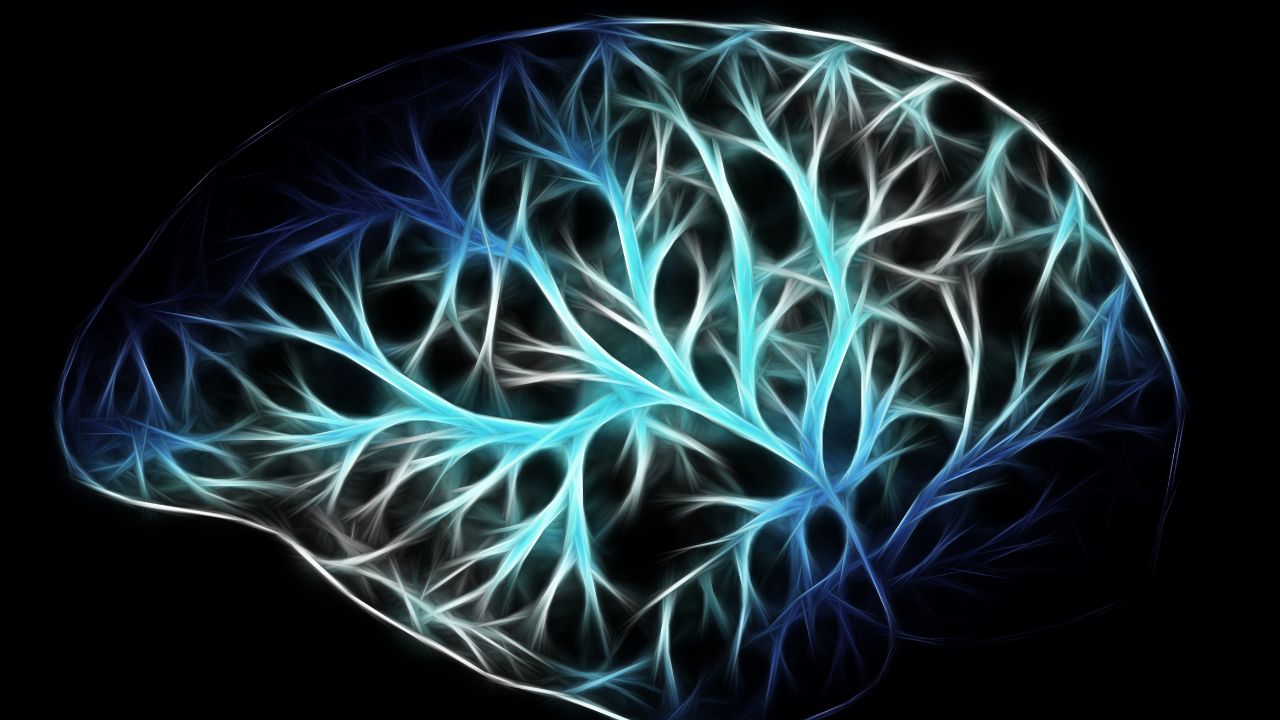
The brain is made up of billions of nerve cells called neurons. These neurons communicate through electrical and chemical signals, forming complex networks that allow information to travel rapidly. Each neuron connects to thousands of others through junctions known as synapses, creating an intricate communication system.
When you think, move, or feel an emotion, neurons send electrical impulses along their length. At the synapse, chemical messengers called neurotransmitters carry the signal to the next neuron. Different neurotransmitters are involved in different functions, such as mood, attention, learning, and motivation. This constant communication allows the brain to respond quickly and adapt to new situations.
The Brain’s Role in Thought and Learning
One of the brain’s most remarkable abilities is its capacity for thought and learning. The brain processes information, identifies patterns, and uses past experiences to guide future behavior. Learning occurs when connections between neurons strengthen or change, a process known as neuroplasticity.
This adaptability allows people to acquire new skills, form habits, and recover from certain injuries. Learning is not limited to childhood; the adult brain continues to change in response to experience, education, and practice. Every time you learn something new, the brain physically alters its structure at the microscopic level.
Emotions, Behavior, and Decision-Making
The brain plays a central role in emotions and behavior. Structures deep within the brain help regulate emotions such as fear, pleasure, anger, and motivation. These emotional systems interact closely with areas responsible for reasoning and decision-making.
This interaction explains why emotions can influence choices, sometimes overriding logical thinking. At the same time, higher brain regions help regulate emotional responses, allowing individuals to control impulses and respond appropriately to different situations. Healthy brain function depends on balance between emotional and rational processes.
Automatic Functions and Survival
Many of the brain’s most important tasks occur without conscious awareness. The brain continuously regulates body temperature, hormone release, digestion, and immune responses. It also maintains internal balance, known as homeostasis, ensuring that conditions inside the body remain stable despite changes in the environment.
These automatic functions allow humans to survive without having to think about every bodily process. Even during sleep, the brain remains active, monitoring vital functions and supporting memory consolidation and recovery.
The Brain’s Lifelong Importance
The brain changes throughout life, adapting to growth, experience, and aging. While some abilities may slow with age, others such as knowledge, emotional understanding, and problem-solving often remain strong. The brain’s ability to adapt highlights the importance of caring for it at every stage of life.
Healthy habits such as regular physical activity, mental stimulation, quality sleep, balanced nutrition, and stress management all support brain function. Protecting brain health helps maintain independence, creativity, and quality of life.
In conclusion, the human brain is an extraordinary organ that controls movement, thought, emotion, and survival. Through complex networks of neurons and specialized regions, it interprets information, guides behavior, and allows humans to learn and adapt. A simple scientific understanding of what the brain does reveals not only its complexity but also its central role in making us who we are.
FAQs:
What is the main function of the human brain?
The brain controls bodily functions, processes information, enables thinking and emotions, and coordinates responses to the environment.
How fast does the brain work?
Neural signals can travel at speeds of up to hundreds of miles per hour, allowing rapid communication within the brain and body.
Does the brain work while we sleep?
Yes, the brain remains active during sleep, regulating vital functions and supporting memory and recovery.