
Learning is not just about absorbing information; it is a biological process deeply rooted in how the brain grows, adapts, and organizes itself over time. From early childhood through adolescence and into adulthood, the brain changes in response to experience. Modern science shows that learning and brain development are inseparable, with each shaping the other in powerful and lasting ways.
How the Brain Develops Over Time
Brain development begins before birth and continues well into early adulthood. In the early years of life, the brain grows rapidly, forming billions of neural connections. These connections are shaped by both genetics and experience. While genes provide the basic blueprint, learning and interaction with the environment determine how the brain’s circuits are strengthened or weakened.
During childhood and adolescence, the brain goes through periods of heightened plasticity. This means it is especially responsive to learning, making these years critical for developing language, motor skills, emotional regulation, and problem-solving abilities.
Neuroplasticity and Learning
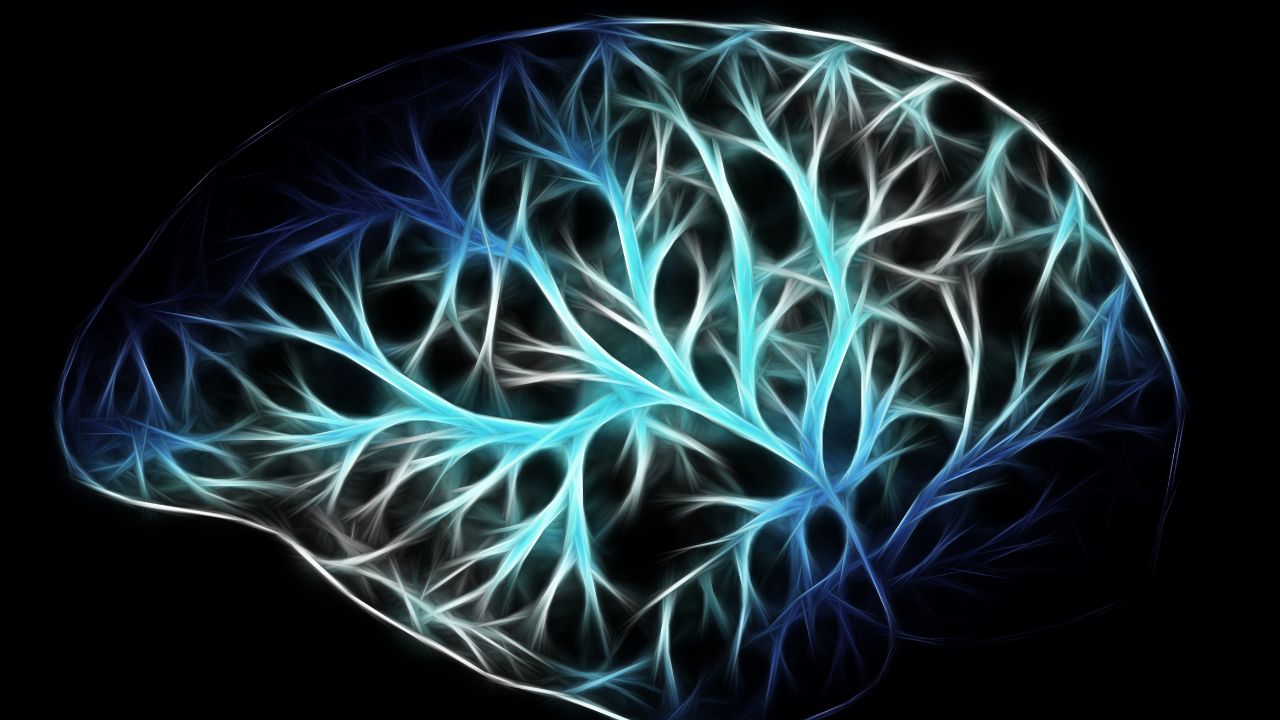
Neuroplasticity refers to the brain’s ability to change in response to experience. When we learn something new, neurons communicate more frequently, and the connections between them become stronger. This process is often summarized as “neurons that fire together, wire together.”
Learning does not require new brain cells in most cases. Instead, it relies on reorganizing existing neural networks. Practice, repetition, and meaningful engagement all increase the efficiency of these networks, making skills and knowledge easier to access over time.
The Role of Experience in Shaping the Brain
Experiences play a central role in brain development. Positive experiences such as supportive relationships, exploration, and problem-solving strengthen healthy brain circuits. Challenging experiences can also promote learning when they are manageable and supported.
On the other hand, a lack of stimulation can limit the development of certain abilities. This is why enriched environments—those that encourage curiosity, creativity, and social interaction—are so important for effective learning and long-term brain health.
Memory Formation and Learning
Learning depends heavily on memory. Different brain systems are involved in storing different types of information. For example, factual knowledge and personal experiences rely on memory-related brain regions, while skills like reading or riding a bike involve motor and habit-based networks.
Sleep plays a crucial role in this process. During sleep, the brain consolidates learning by stabilizing and organizing newly formed connections. Without adequate rest, learning becomes less efficient, even if effort and motivation remain high.
Emotional Factors in Learning
Emotion and learning are closely linked. Brain areas involved in emotion influence attention, motivation, and memory. When learners feel safe, interested, and supported, their brains are more open to forming new connections.
Stress, especially when chronic, can interfere with learning by affecting attention and memory systems. This does not mean challenges should be avoided, but rather that learning environments should balance high expectations with emotional support.
Developmental Timing and Learning Readiness
The brain develops in stages, and certain skills are easier to acquire during specific periods. Language learning, for instance, is most efficient in early childhood, while abstract reasoning continues to mature into adolescence.
This does not mean learning is limited to early life. Adult brains remain plastic, capable of change and growth. However, understanding developmental timing helps educators and learners align expectations with how the brain naturally develops.
Individual Differences in Brain Development
No two brains develop in exactly the same way. Differences in genetics, experiences, learning styles, and interests all shape how individuals learn. Science shows that variation is normal, not a sign of ability or limitation.
Recognizing these differences encourages more flexible approaches to learning, allowing individuals to build on strengths while supporting areas that develop more slowly.
Implications for Education and Lifelong Learning
Scientific insights into brain development have transformed how we think about education. Effective learning emphasizes active engagement, practice over time, feedback, and real-world application. Learning is strongest when it connects new information to existing knowledge.
These principles apply not only in schools but throughout life. Whether learning a new skill, subject, or hobby, the brain continues to adapt in response to effort and experience.
In conclusion, the science of learning shows that brain development is an ongoing, experience-driven process. Learning shapes the brain, and the brain’s developmental stage shapes how learning occurs. By understanding this relationship, we can create environments and habits that support curiosity, resilience, and lifelong growth.
FAQs:
Is the brain fully developed at birth?
No. While the basic structure is present, the brain continues to develop and reorganize into early adulthood.
What is neuroplasticity?
Neuroplasticity is the brain’s ability to change its connections in response to learning and experience.
Does learning become harder with age?
Learning may take more time with age, but the brain remains capable of growth and adaptation throughout life.