The question of whether the brain and the mind are the same thing has fascinated scientists, philosophers, and curious thinkers for centuries. In everyday language, people often use the terms interchangeably, but modern science draws important distinctions between them. Understanding how the physical brain relates to the subjective experience we call the mind helps clarify what we know—and what we still don’t—about human thought, behavior, and consciousness.
Defining the Brain
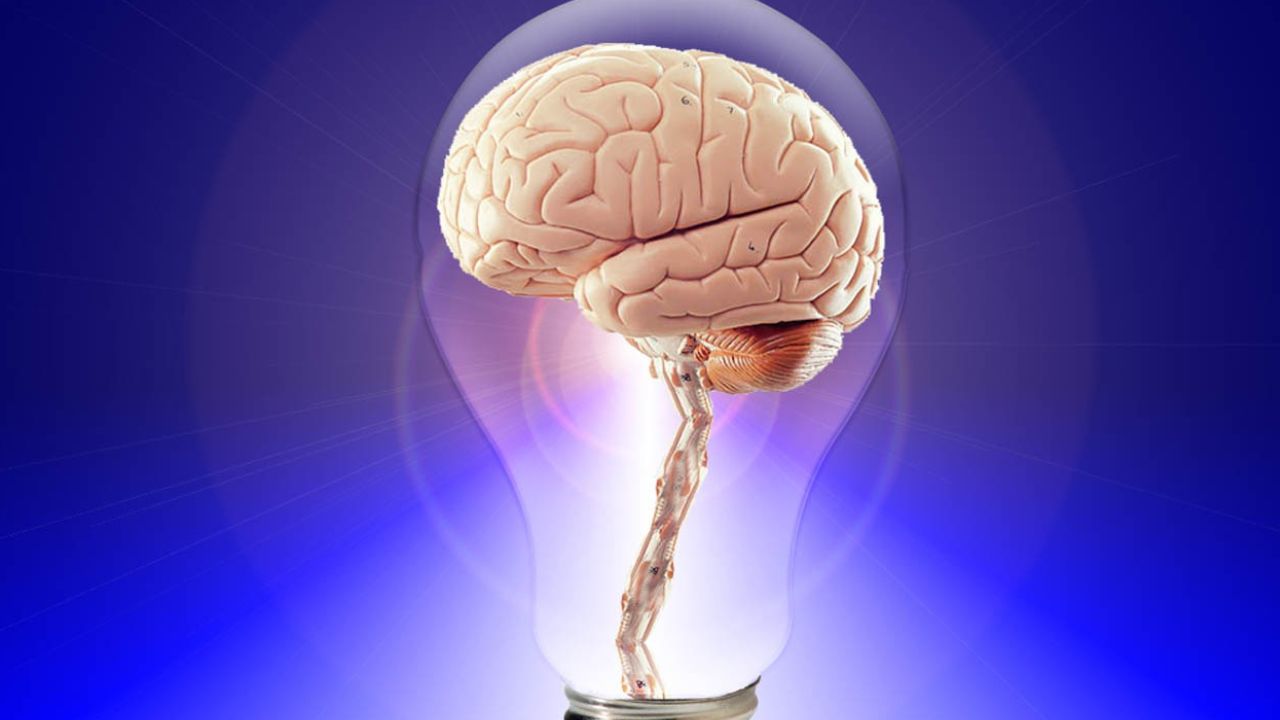
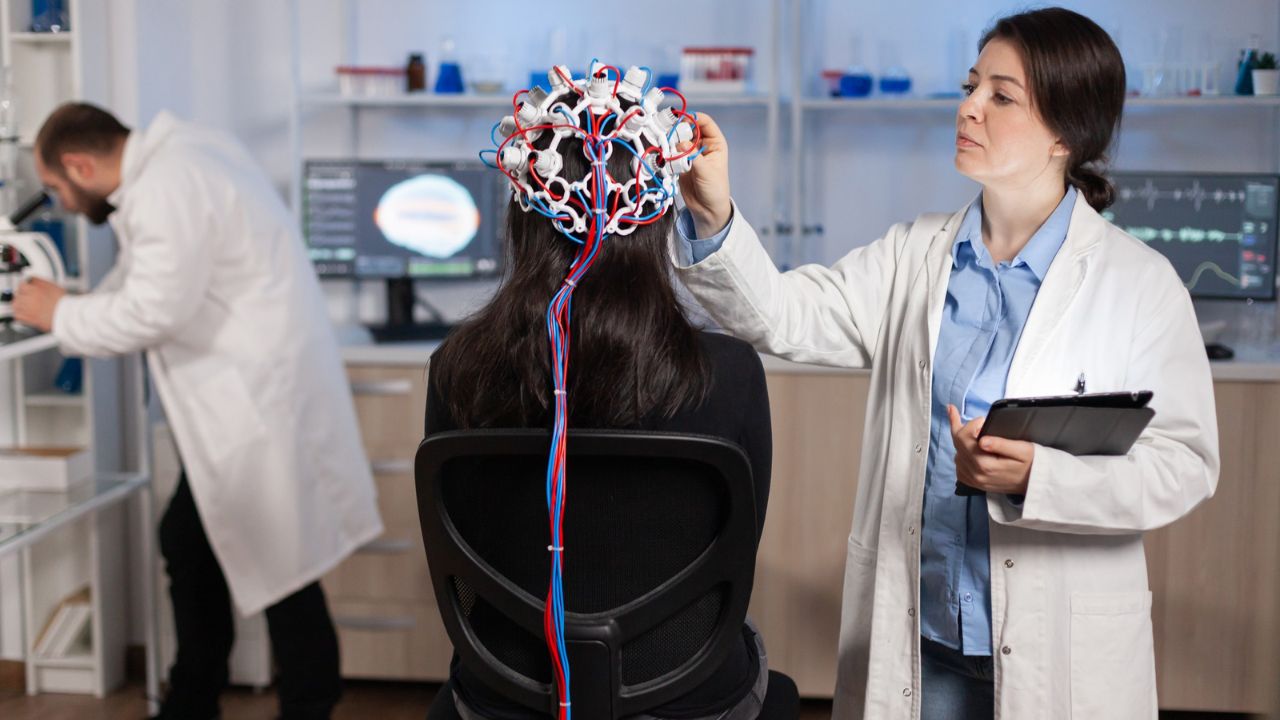
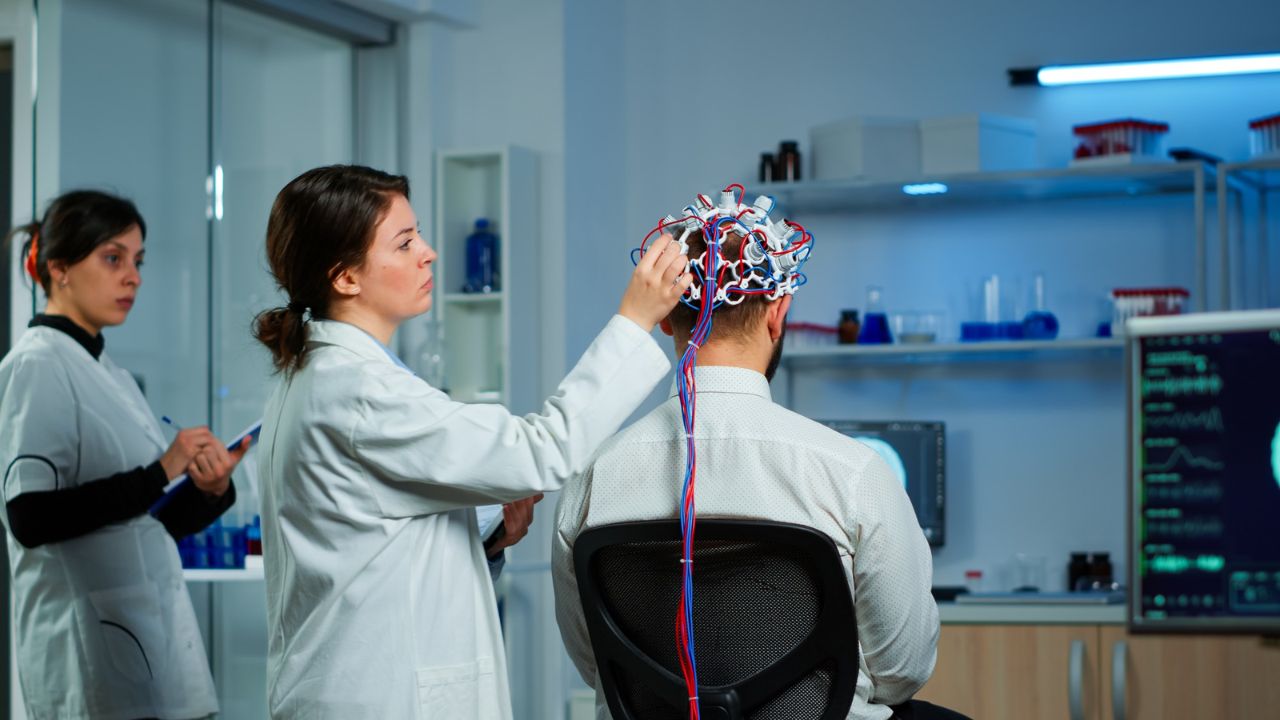
The brain is a physical organ made of neurons, glial cells, blood vessels, and complex chemical systems. It sits inside the skull and is part of the central nervous system, directly connected to the spinal cord and peripheral nerves. From a scientific standpoint, the brain can be weighed, scanned, dissected, and studied using tools such as MRI, EEG, and CT scans.
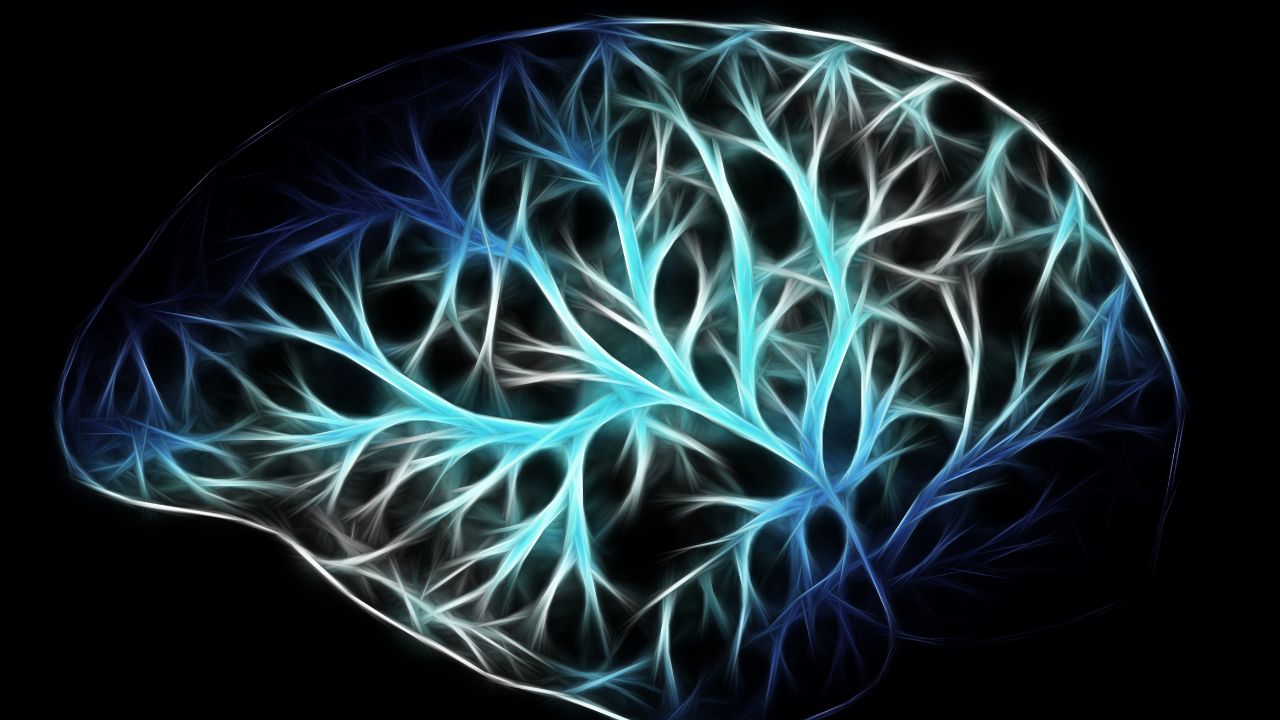
Its primary role is to process information. Electrical impulses and chemical signals travel between billions of neurons, allowing the brain to regulate breathing, movement, sensory perception, and internal balance. Damage to specific brain areas often leads to predictable impairments, which strongly supports the idea that the brain is the biological control center of the body.
Defining the Mind
The mind, unlike the brain, is not a physical object. It refers to the collection of mental processes such as thoughts, memories, emotions, beliefs, imagination, awareness, and decision-making. When people talk about “what’s on your mind,” they are referring to inner experiences rather than tissue or cells.
Science treats the mind as a set of functions or phenomena that arise from brain activity. While you cannot directly observe a thought the way you can observe a neuron, researchers can infer mental states by studying behavior, brain activity patterns, and self-reports.
How the Brain Creates Mental Activity
Neuroscience shows that mental processes closely correlate with brain activity. For example, when you remember a past event, certain neural networks become active. When you feel fear, brain regions involved in threat detection and emotion regulation show increased activity. This consistent relationship suggests that mental experiences depend on the brain’s physical processes.
However, dependence does not necessarily mean identity. Many scientists describe the mind as an “emergent property” of the brain. This means that while mental states arise from neural activity, they cannot be fully explained by looking at individual neurons alone, much like how wetness emerges from water molecules but is not a property of a single molecule.
Consciousness and the Hard Problem
One of the most challenging questions in science is consciousness: the subjective experience of being aware. While researchers can map brain regions involved in attention, perception, and self-awareness, explaining why these processes feel like something from the inside remains unresolved.
This issue is often called the “hard problem” of consciousness. Science can explain how the brain processes information, but explaining why those processes produce first-person experience is still an open question. This gap is one reason debates about the mind and brain continue.
What Modern Science Agrees On
Despite ongoing debates, there is broad scientific agreement on several points. Mental abilities depend on a functioning brain. Changes to brain chemistry, structure, or development can alter personality, memory, mood, and reasoning. Conditions such as brain injuries, neurological disorders, and psychiatric illnesses all demonstrate the tight link between brain states and mental states.
At the same time, science recognizes that psychological explanations remain useful. Talking about beliefs, motivations, and emotions often provides insights that cannot be captured by brain scans alone, especially in fields like psychology, education, and therapy.
Common Misunderstandings
A frequent misunderstanding is that science has proven the mind is completely separate from the brain. Another is the opposite claim that thoughts are “nothing but” neurons firing, making subjective experience meaningless. Most researchers take a balanced view, recognizing that mental experiences are real and important, even if they are grounded in physical processes.
The brain–mind relationship is best understood as complementary rather than competitive. One focuses on structure and mechanism, the other on experience and function.
Why the Distinction Matters
Understanding the difference between brain and mind has practical implications. In medicine, it helps integrate neurological and psychological treatments. In education, it informs how learning and motivation are addressed. In technology and artificial intelligence, it shapes discussions about whether machines could ever have minds rather than just brains made of silicon.
As science advances, the line between brain and mind becomes clearer in some ways and more mysterious in others, reminding us how complex human nature truly is.
In conclusion, science sees the brain as the physical foundation and the mind as the set of mental processes that emerge from it. They are deeply connected but not identical. The brain can be studied directly, while the mind is known through experience and behavior. Together, they form a complete picture of how humans think, feel, and act.
FAQs:
Is the mind just another word for the brain?
No. The brain is a physical organ, while the mind refers to mental processes and experiences that arise from brain activity.
Can the mind exist without the brain?
According to current scientific evidence, mental processes depend on a functioning brain.
Why can’t scientists fully explain consciousness yet?
Because subjective experience cannot be directly measured, making it difficult to link physical processes to personal awareness