
The human brain is one of the most complex structures ever studied, and for centuries, much of its inner workings remained a mystery. In recent decades, however, rapid advances in technology have transformed neuroscience. Powerful imaging tools, advanced computing, and innovative research methods are now allowing scientists to observe, measure, and understand the brain in ways that were once impossible. These technologies are not only expanding scientific knowledge but also improving diagnosis, treatment, and prevention of brain-related conditions.
Brain Imaging Technologies
One of the most significant breakthroughs in brain research has been the development of advanced imaging technologies. Tools such as magnetic resonance imaging (MRI) and functional MRI (fMRI) allow scientists to see detailed images of brain structure and activity without surgery. MRI provides high-resolution pictures of brain anatomy, helping researchers study changes in brain size, shape, and tissue over time.
Functional MRI goes a step further by showing which areas of the brain are active during specific tasks, such as reading, problem-solving, or experiencing emotions. This technology has helped scientists map brain functions more accurately and understand how different regions work together as networks rather than in isolation.
Electroencephalography and Brain Signals
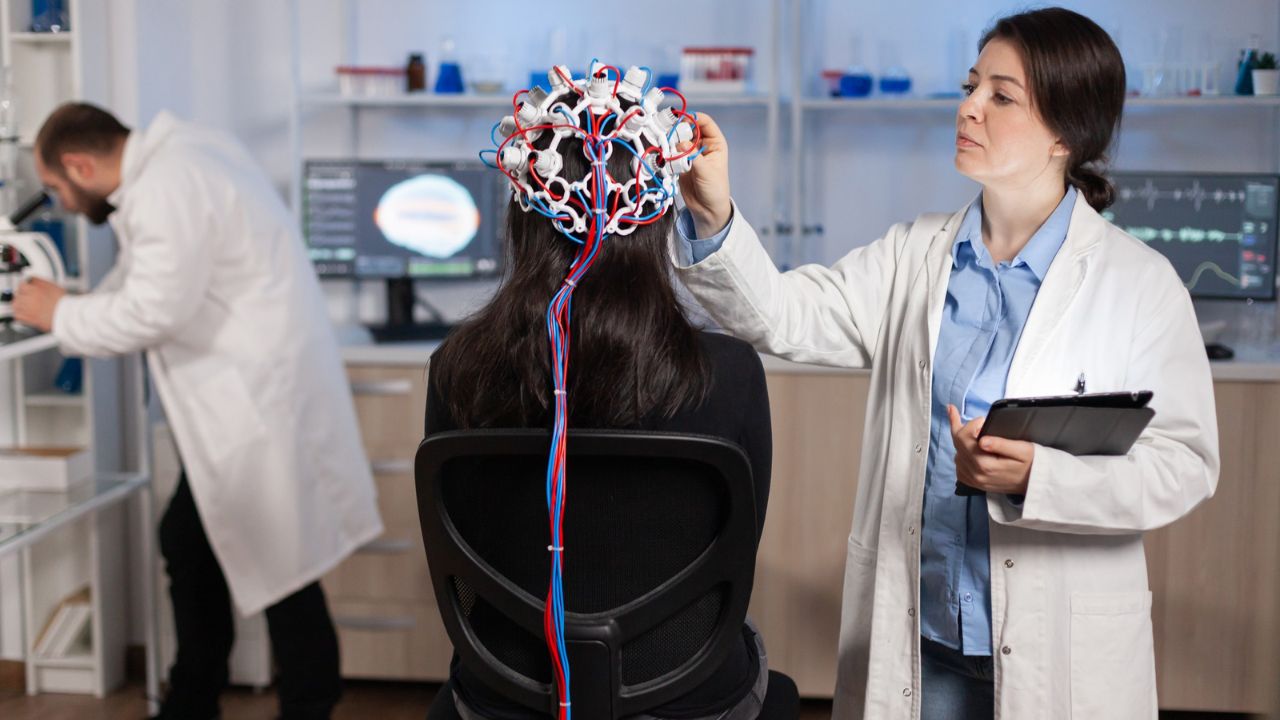
Another important technology used in brain research is electroencephalography, commonly known as EEG. EEG measures electrical activity in the brain using sensors placed on the scalp. This method is especially useful for studying brain rhythms, sleep patterns, and attention.
EEG provides excellent timing information, allowing scientists to see how quickly the brain responds to stimuli. Although it does not show detailed brain structures, it helps researchers understand how neural signals change from moment to moment. EEG has been particularly valuable in studying learning, memory, and neurological conditions that affect brain activity.
Artificial Intelligence and Big Data
Artificial intelligence has become a powerful tool in neuroscience. The brain generates enormous amounts of data, especially from imaging and recording technologies. AI and machine learning systems can analyze these large datasets much faster and more accurately than humans alone.
By identifying patterns in brain activity and structure, AI helps scientists predict outcomes, classify brain states, and detect subtle changes that might otherwise go unnoticed. These tools are improving the understanding of how brain networks function and how they differ across individuals, ages, and conditions.
Brain Mapping and Connectomics
Modern technology has enabled scientists to move beyond studying individual brain regions toward mapping the brain as a whole. Brain mapping projects aim to identify how different areas are connected and communicate. This field, known as connectomics, focuses on understanding the brain’s wiring system.
Advanced microscopes and computer models allow researchers to trace neural pathways and study how signals travel across the brain. These maps are helping scientists understand how complex behaviors emerge and how disruptions in connectivity may contribute to neurological and cognitive challenges.
Wearable Technology and Real-World Data
Wearable devices are opening new possibilities for studying the brain outside laboratory settings. Tools that monitor sleep, movement, heart rate, and even brain activity allow researchers to collect data in real-life environments. This provides a more realistic picture of how the brain functions during daily activities.
Wearable technology also supports long-term studies, making it easier to track changes in brain-related behaviors over months or years. This approach helps scientists understand how lifestyle factors such as sleep, exercise, and stress influence brain health over time.
Virtual Reality and Brain Research
Virtual reality is becoming an innovative tool for studying perception, learning, and behavior. By creating controlled yet immersive environments, researchers can observe how the brain responds to realistic situations while still maintaining experimental precision.
VR allows scientists to study navigation, decision-making, and social interaction in ways that traditional experiments cannot easily replicate. Brain activity measured during virtual experiences provides valuable insights into how the brain processes complex, dynamic information.
Technology and Ethical Considerations
As technology advances, it also raises important ethical questions. The ability to monitor and analyze brain activity brings concerns about privacy, data security, and responsible use. Scientists and policymakers are working together to ensure that brain research technologies are used ethically and for the benefit of society.
Clear guidelines and oversight help balance innovation with respect for individual rights. Ethical considerations are now an essential part of modern neuroscience research.
Technology has revolutionized the study of the brain, turning once-unanswerable questions into active areas of discovery. From imaging tools and AI to wearables and virtual reality, these innovations are helping scientists explore brain structure, function, and connectivity with unprecedented detail. As technology continues to evolve, it will deepen understanding of the brain and support advances that improve learning, mental health, and overall quality of life.
FAQs:
Why is technology important in brain research?
Technology allows scientists to observe the brain safely and accurately, making it possible to study structure and function in living humans.
What is the most commonly used brain imaging tool?
MRI and fMRI are among the most widely used tools for studying brain anatomy and activity.
How does artificial intelligence help neuroscience?
AI analyzes large and complex brain datasets, helping identify patterns and predict outcomes more efficiently.