Autism doesn’t announce itself on a brain scan with a single flashing arrow. There’s no “autism spot” lighting up in red. And that’s precisely why brain imaging has been so important—and so humbling—in autism spectrum disorder (ASD) research. Instead of hunting for one broken part, scientists have been forced to rethink autism as a story of brain development, timing, and connectivity.
Over the past two decades, imaging studies have quietly reshaped how researchers understand autism, moving the conversation away from surface behaviors and toward how the autistic brain grows, organizes itself, and communicates.
Why Autism Posed a Unique Challenge for Brain Imaging
Autism is diagnosed behaviorally. Social communication differences, restricted interests, repetitive behaviors—those are the criteria. But behavior is the final output of a long developmental process. By the time a child receives a diagnosis, the brain has already gone through years of rapid change.
That made early imaging studies frustrating. Researchers scanned autistic and non-autistic brains looking for obvious structural defects. They didn’t find them. No tumors. No lesions. No clear anatomical “smoking gun.”
What they did find instead was variation—subtle, widespread, and deeply tied to development. According to the National Institute of Mental Health, autism reflects differences in brain development rather than damage or degeneration (https://www.nimh.nih.gov). Imaging became less about detection and more about understanding trajectories.
Early Brain Overgrowth and Structural Imaging
One of the earliest consistent findings in autism research came from structural MRI studies of young children. Many autistic toddlers showed increased total brain volume during early childhood, particularly in the first two to three years of life.
This early overgrowth doesn’t last forever. By adolescence or adulthood, total brain size often falls within typical ranges. The key insight wasn’t size—it was timing. Brain growth appeared accelerated early on, followed by altered maturation.
Researchers observed differences in cortical thickness, surface area, and gray-white matter boundaries. These changes varied widely across individuals, reinforcing the idea that autism is a spectrum not just behaviorally, but biologically. The National Institute of Neurological Disorders and Stroke highlights these developmental patterns as central to current autism research models (https://www.ninds.nih.gov).
Connectivity: The Core Theme in Autism Imaging
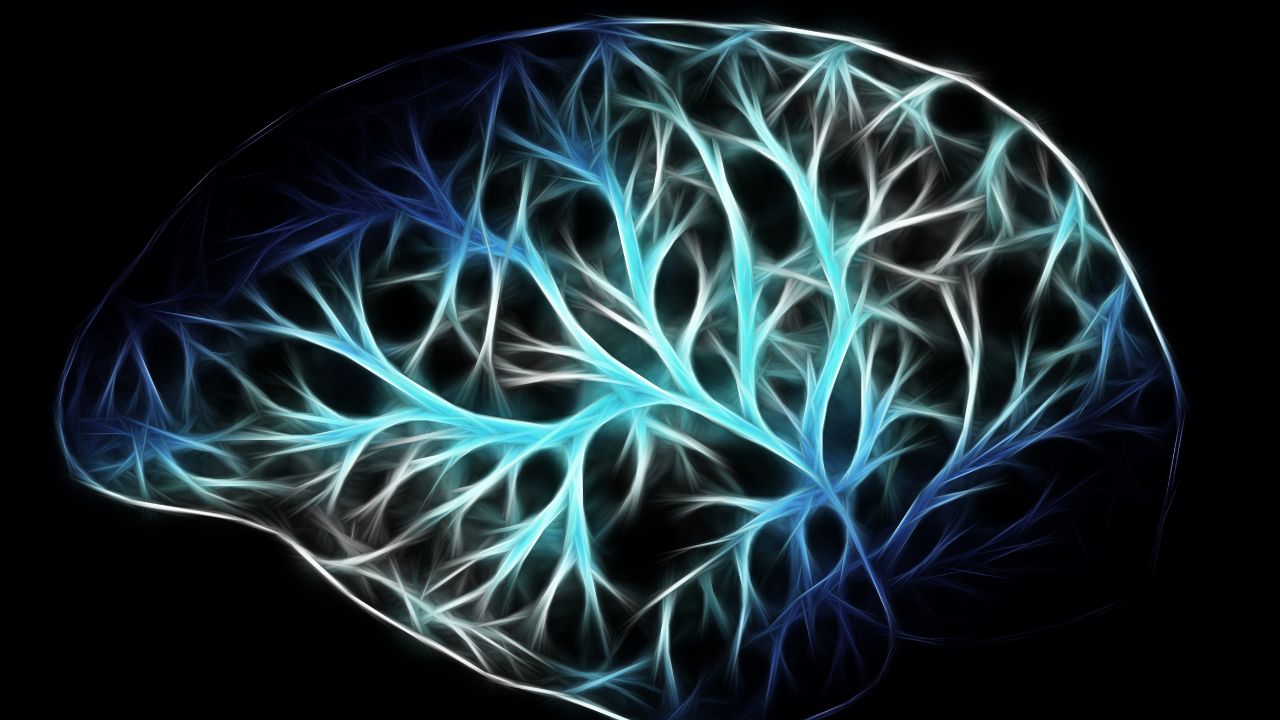
If there’s one concept that dominates autism imaging research, it’s connectivity. Functional MRI studies don’t focus on isolated brain regions. They examine how regions talk to each other.
Many studies suggest that autistic brains show differences in long-range connectivity—communication between distant regions—alongside increased local connectivity in certain circuits. In practical terms, nearby regions may be talking a lot, while broader networks struggle to synchronize.
This helps explain real-world features of autism. Strong attention to detail, intense focus, and sensory sensitivity may reflect local processing strengths. Social communication challenges may relate to weaker integration across distributed networks.
Resting-state fMRI studies, which examine the brain when a person is not performing a task, have consistently found altered network organization in autism. These findings are summarized in NIH-supported research reviews (https://www.nih.gov).
The Social Brain and Functional Imaging
Functional imaging has been particularly influential in studying social cognition in autism. Tasks involving face perception, eye gaze, emotional recognition, and theory of mind reveal different activation patterns in autistic participants.
Regions often studied include the fusiform face area, superior temporal sulcus, and medial prefrontal cortex—parts of what researchers call the “social brain.” Rather than being inactive, these areas may engage differently or rely on alternative networks.
Importantly, these differences are not deficits in intelligence. Many autistic individuals show typical or superior performance on non-social cognitive tasks. Imaging reinforces the idea that autism involves specialization rather than global impairment.
The National Library of Medicine has documented how task-based fMRI reshaped understanding of social processing in autism (https://www.nlm.nih.gov).
Sensory Processing and the Autistic Brain
One of the most validating contributions of brain imaging research has been in sensory processing. Autistic individuals often report hypersensitivity or hyposensitivity to sound, light, touch, or texture—experiences long dismissed as behavioral.
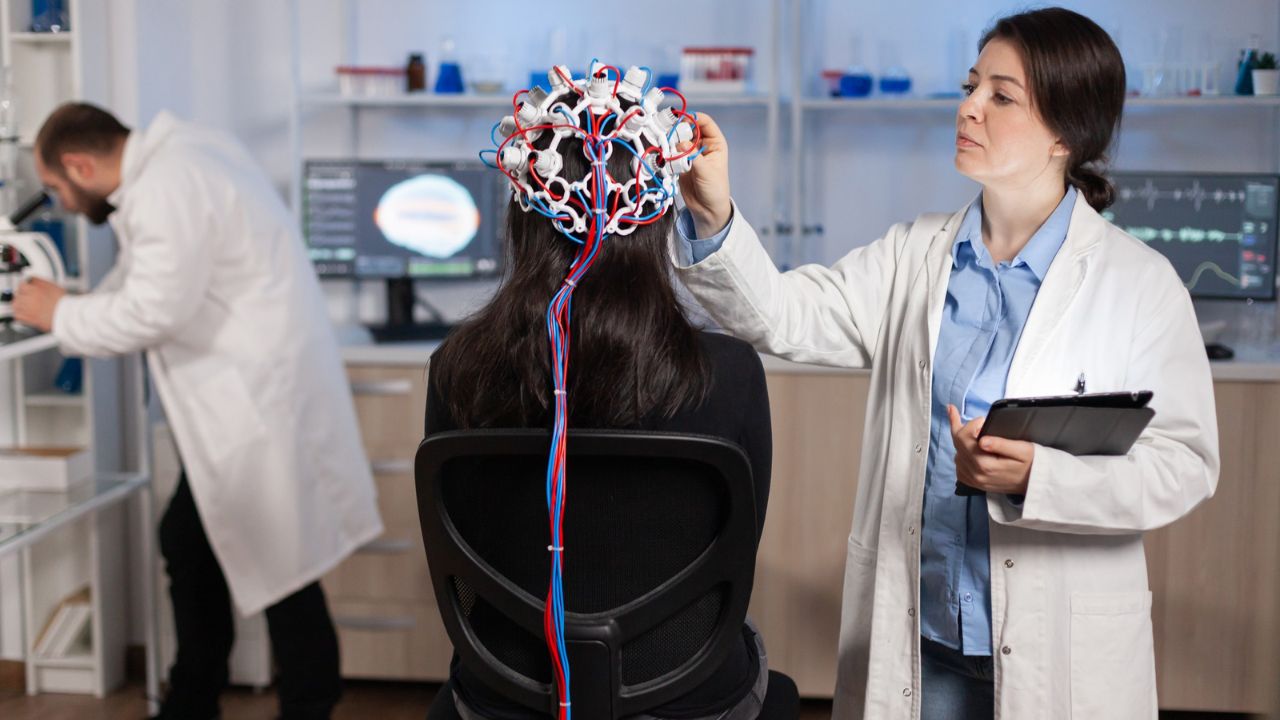
Imaging studies have shown altered activation in sensory cortices and atypical integration between sensory regions and higher-order networks. EEG studies, which capture millisecond-level brain activity, reveal differences in sensory filtering and neural timing.
This supports what autistic people have been saying for decades: sensory overload isn’t a choice. It’s a neurological reality.
Autism, Development, and the Importance of Age
One reason autism imaging research has been so difficult is that the brain doesn’t stand still. A scan at age three tells a very different story than a scan at age thirty.
Longitudinal studies—following the same individuals over time—have become essential. Projects like the NIH-funded Autism Brain Imaging Data Exchange (ABIDE) pool imaging data from thousands of participants worldwide, allowing researchers to examine developmental patterns across ages and subtypes (https://fcon_1000.projects.nitrc.org/indi/abide/).
These large datasets revealed something crucial: there is no single autistic brain. There are many developmental paths that can lead to an autism diagnosis.
White Matter and Communication Pathways
Diffusion tensor imaging (DTI) has added another layer by mapping white matter tracts—the brain’s communication highways. Many studies report differences in white matter integrity in autism, particularly in pathways involved in social, language, and executive functions.
Again, these are differences, not damage. The wiring may be organized differently, influencing how information flows. This perspective aligns with the growing neurodiversity framework, which views autism as a natural variation in human neurobiology rather than a disease to be eradicated.
What Brain Imaging Cannot Do in Autism
It’s just as important to be clear about limits. Brain imaging cannot diagnose autism. There is too much overlap between autistic and non-autistic brains, and too much individual variation.
The American Psychiatric Association explicitly states that autism diagnosis remains clinical, based on behavior and developmental history—not scans (https://www.psychiatry.org).
Imaging also cannot determine ability, potential, or quality of life. Brain differences do not map cleanly onto support needs, intelligence, or independence. This is where simplistic interpretations can do real harm.
Ethics, Identity, and the Autistic Community
Autism imaging research exists within a sensitive ethical landscape. Many autistic self-advocates have raised concerns about research framed around “normalization” rather than support.
Increasingly, researchers are listening. Imaging is now more often used to understand strengths, sensory experiences, and supportive interventions rather than cure-oriented narratives. This shift matters—not just scientifically, but socially.
The Future: Personalized Support, Not Labels
Artificial intelligence is beginning to analyze large imaging datasets, identifying patterns linked to language development, sensory profiles, or co-occurring conditions like ADHD or epilepsy. The goal isn’t diagnosis—it’s personalization.
If brain imaging can one day help tailor educational strategies, sensory environments, or communication supports, its value will be enormous. That future depends on collaboration between scientists, clinicians, autistic individuals, and families.
What Brain Imaging Has Really Taught Us About Autism
Brain imaging didn’t give researchers a simple answer to autism. It gave them a better question.
Instead of asking what’s wrong, science is now asking how autistic brains develop, connect, and experience the world. That shift—from deficit to difference—may be the most important finding of all.
Autism isn’t hidden in a single scan. It’s written across development, networks, and lived experience. Brain imaging didn’t decode autism—but it helped humanize it.
FAQs:
Can brain scans diagnose autism?
No. Autism is diagnosed through behavioral assessment, not imaging.
Do autistic brains look very different from non-autistic brains?
Differences are subtle, widespread, and variable, not obvious or uniform.
What imaging method is most used in autism research?
Structural MRI and functional MRI are most common, followed by EEG and DTI.