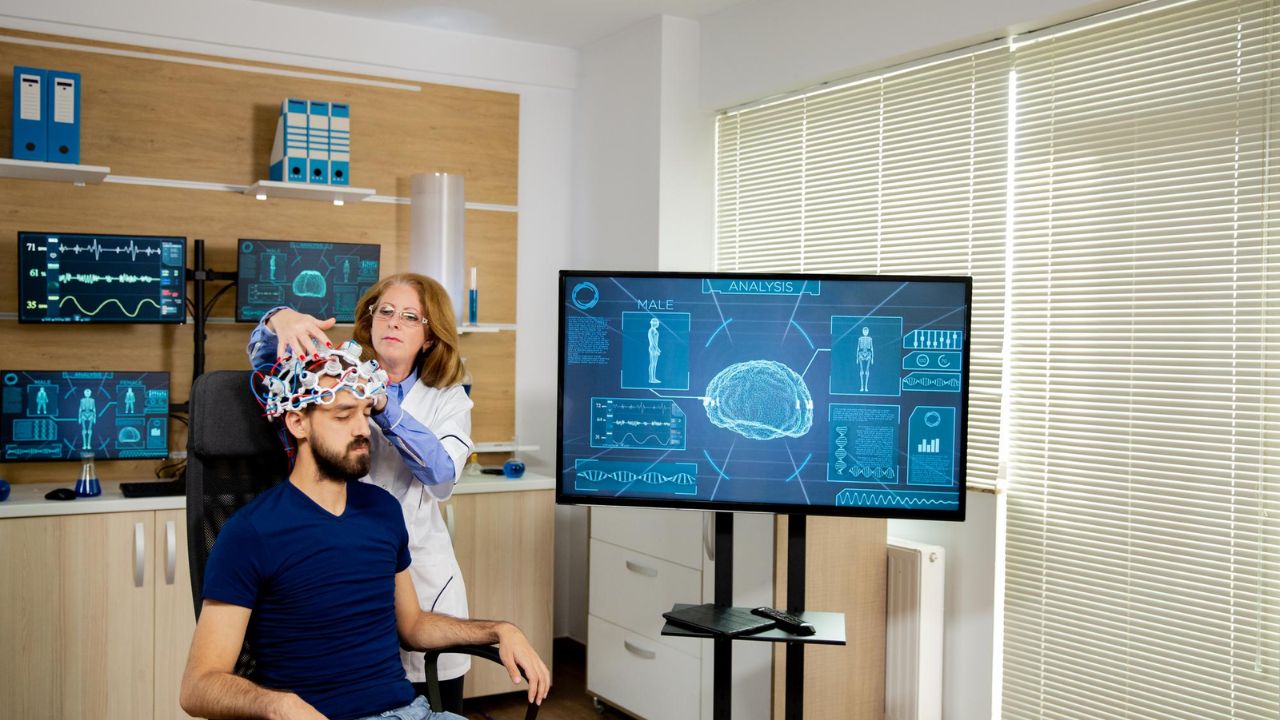
The human brain has fascinated scientists and the public alike for centuries, yet it remains surrounded by misconceptions. Popular media, outdated beliefs, and oversimplified explanations have helped spread many brain myths that sound convincing but lack scientific support. Understanding what science actually says about how the brain works can help people make better decisions about learning, mental health, and overall well-being. By separating myths from facts, we gain a clearer picture of the brain’s true capabilities and limitations.
Myth: We Only Use 10 Percent of Our Brain
This is one of the most widespread brain myths, often repeated in movies, books, and advertisements. The idea suggests that unlocking the unused 90 percent of the brain could lead to extraordinary abilities.
Scientific evidence clearly shows this is false. Brain imaging studies reveal that humans use virtually all parts of the brain over the course of a day. Different regions are active at different times, depending on the task being performed. Even during rest or sleep, the brain remains highly active. If 90 percent of the brain were truly unused, damage to those areas would have no effect, which is not the case.
Myth: Brain Size Determines Intelligence
Many people believe that a larger brain automatically means higher intelligence. This myth is often supported by comparisons between species or individuals.
In reality, intelligence is not determined by brain size alone. Factors such as the number of neural connections, the efficiency of communication between brain regions, and overall brain organization play a much larger role. Humans, for example, do not have the largest brains in the animal kingdom, yet they possess advanced cognitive abilities. Within humans, differences in brain size show little correlation with intelligence levels.
Myth: Left-Brained and Right-Brained People Exist
The idea that people are either “left-brained” (logical and analytical) or “right-brained” (creative and artistic) is popular in education and personality discussions.
Science shows that this is an oversimplification. While certain functions are more dominant in one hemisphere than the other, most tasks require both sides of the brain to work together. Creativity, logic, language, and problem-solving all involve complex networks that span both hemispheres. People do not rely exclusively on one side of the brain in daily life.
Myth: Memory Works Like a Video Recorder
It is often assumed that the brain records memories exactly as events occur, allowing them to be replayed accurately at any time.
In fact, memory is reconstructive, not reproductive. Each time a memory is recalled, the brain rebuilds it using fragments of stored information, emotions, and context. This process can lead to distortions or changes over time. Scientific research shows that memories are influenced by expectations, stress, and new information, which explains why eyewitness accounts can sometimes be unreliable.
Myth: Brain Cells Cannot Be Replaced
For many years, it was believed that humans are born with all the brain cells they will ever have, and that these cells can never be replaced once lost.
Modern neuroscience has shown that this belief is not entirely true. While most neurons do not regenerate easily, new neurons can form in certain brain regions, particularly those involved in learning and memory. This process, known as neurogenesis, continues into adulthood. Although it does not replace all lost neurons, it highlights the brain’s capacity for adaptation and change.
Myth: Multitasking Improves Brain Performance
Many people think that doing multiple tasks at once trains the brain to work more efficiently and increases productivity.
Scientific studies suggest the opposite. The brain does not truly multitask; instead, it rapidly switches attention between tasks. This constant switching can reduce focus, increase errors, and make learning less effective. Over time, frequent multitasking may weaken attention control rather than strengthen it, especially for complex or demanding activities.
Fact: The Brain Can Change Throughout Life
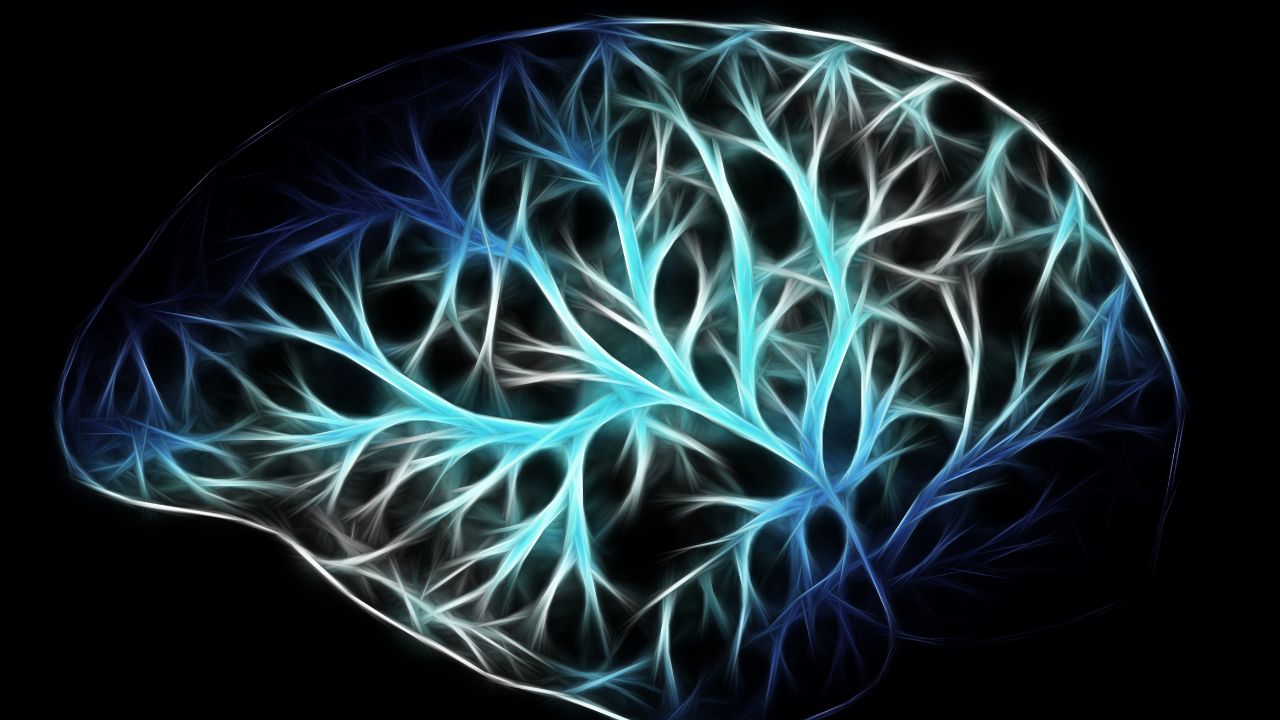
One of the most important scientific facts about the brain is its ability to change and adapt, a property known as neuroplasticity. This means the brain can reorganize itself by forming new connections in response to learning, experience, or injury.
Neuroplasticity occurs at all ages, not just in childhood. Learning a new skill, practicing an instrument, or engaging in mentally stimulating activities can strengthen neural pathways. This adaptability helps explain how people can continue to grow intellectually and emotionally throughout their lives.
Common brain myths often arise from outdated science or simplified explanations that fail to capture the brain’s complexity. Modern research paints a far more dynamic and fascinating picture of how the brain works. Rather than being limited, fragile, or divided into strict categories, the brain is adaptable, interconnected, and constantly active. Understanding scientific facts about the brain encourages healthier habits, better learning strategies, and a deeper appreciation for one of the most complex organs in the human body.
FAQs:
Why do brain myths spread so easily?
Brain myths often sound simple and appealing, making them easy to remember and share, even when they lack scientific evidence.
Is there any truth to being more creative or logical by nature?
People may have preferences or strengths, but these are not determined by using only one side of the brain.
Can memory be improved with practice?
Yes, memory can improve through repetition, organization, and mental training, even though it is not perfectly accurate.