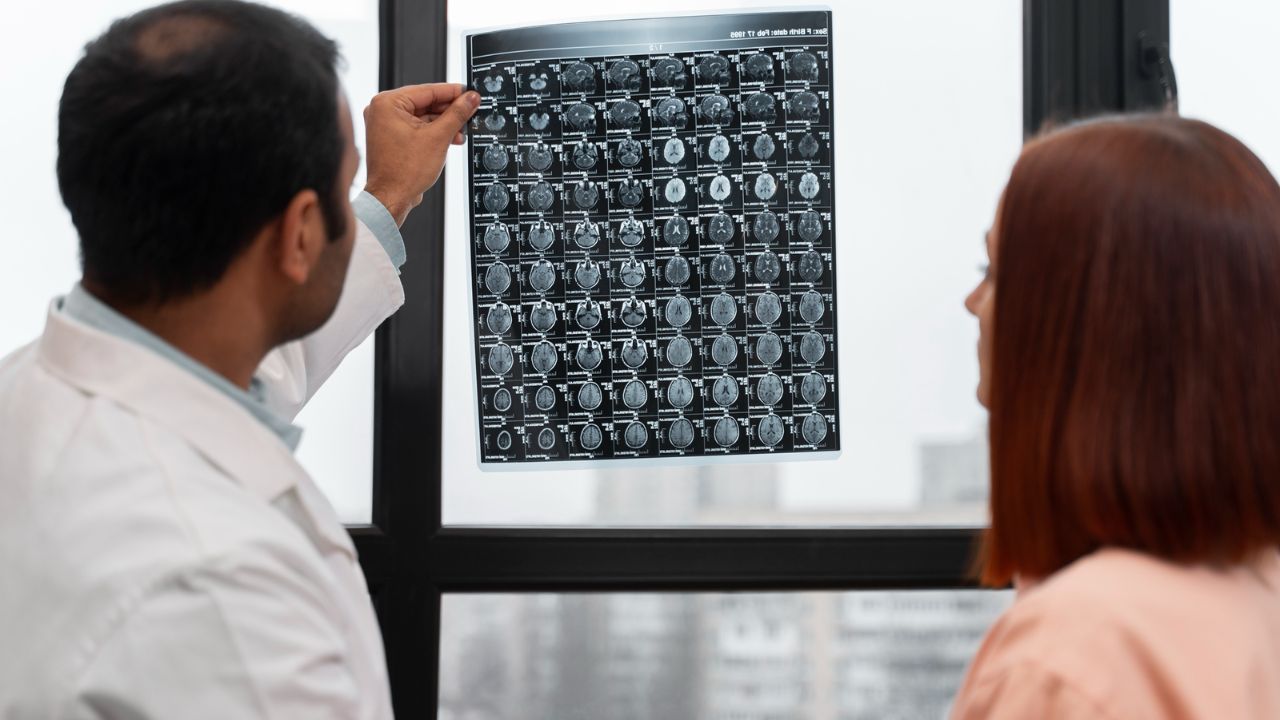
Memory is one of the most fascinating functions of the human brain. It allows us to store experiences, learn from the past, recognize people, and build our sense of identity. From remembering a simple phone number to recalling important life events, memory shapes how we think and behave. Understanding how memory works inside the human brain helps beginners appreciate the complex processes that support learning, decision-making, and everyday life.
What Is Memory?
Memory is the brain’s ability to encode, store, and retrieve information. Encoding happens when the brain first receives information through the senses. Storage refers to how this information is maintained over time, and retrieval is the process of accessing stored information when needed. These steps work together seamlessly, often without conscious effort.
Memory is not stored in a single location in the brain. Instead, it is distributed across different brain regions that work together, depending on the type of information being remembered.
Types of Human Memory
Human memory is commonly divided into several types based on duration and function. Sensory memory is the shortest form, lasting only a fraction of a second. It briefly holds sensory information such as sights and sounds, allowing the brain to decide what is important.
Short-term memory, also known as working memory, holds small amounts of information for a short time, usually seconds to minutes. It helps with tasks like mental math or following directions. Long-term memory stores information for extended periods, from hours to a lifetime. This includes facts, skills, and personal experiences.
Key Brain Areas Involved in Memory
Several brain structures play critical roles in memory. The hippocampus is essential for forming new long-term memories, especially memories related to events and experiences. Damage to this area can make it difficult to create new memories while older ones remain intact.
The cerebral cortex stores long-term memories across different regions, depending on the type of information. For example, visual memories are stored in areas involved in vision, while language-related memories are stored near language centers. The amygdala is involved in emotional memory, which explains why emotionally charged events are often remembered more vividly.
How Memories Are Formed
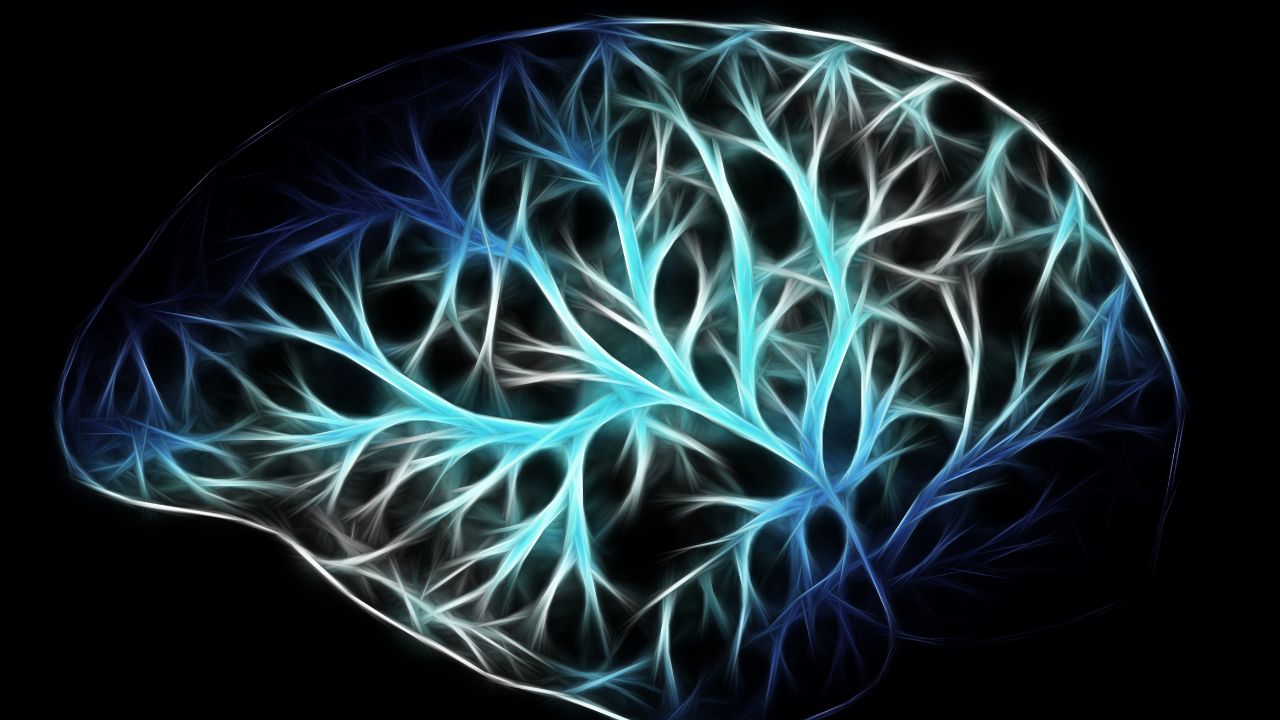
Memory formation begins with neurons communicating through electrical signals and chemical messengers called neurotransmitters. When we learn something new, connections between neurons strengthen through a process known as synaptic plasticity. Repeated use of these connections makes them stronger and more efficient.
This strengthening process allows information to move from short-term memory into long-term storage. Sleep plays a major role in this process, as the brain reorganizes and reinforces memory pathways during rest.
Memory Retrieval and Recall
Retrieval is the process of bringing stored information back into conscious awareness. This can happen through recall, such as answering a question without cues, or recognition, such as identifying a familiar face. Retrieval depends on how well the memory was encoded and how often it has been accessed.
Sometimes memories can be difficult to retrieve, not because they are gone, but because the brain lacks the right trigger. Cues like smells, sounds, or emotions can help unlock memories by activating related neural networks.
Why Memories Change Over Time
Memory is not a perfect recording of the past. Each time a memory is recalled, it can be altered slightly before being stored again. This process makes memory flexible but also vulnerable to distortion. Emotions, new information, and personal beliefs can influence how memories change.
Forgetting is a natural part of memory function. It helps the brain avoid overload by removing unused or less important information, allowing it to focus on what matters most.
Improving Memory Function
Healthy memory depends on brain health. Regular sleep, balanced nutrition, physical activity, and mental stimulation all support memory processes. Learning new skills, reading, and problem-solving help strengthen neural connections.
Managing stress is also important, as chronic stress can interfere with memory formation and retrieval. Simple habits can make a noticeable difference in how well the brain remembers information.
FAQs:
What part of the brain controls memory?
Memory involves multiple brain areas, especially the hippocampus, cerebral cortex, and amygdala.
Why do we forget things?
Forgetting happens when memories are not used, are poorly encoded, or are interfered with by new information.
Can memory improve with practice?
Yes. Repetition, learning new skills, and mental exercises can strengthen memory pathways.