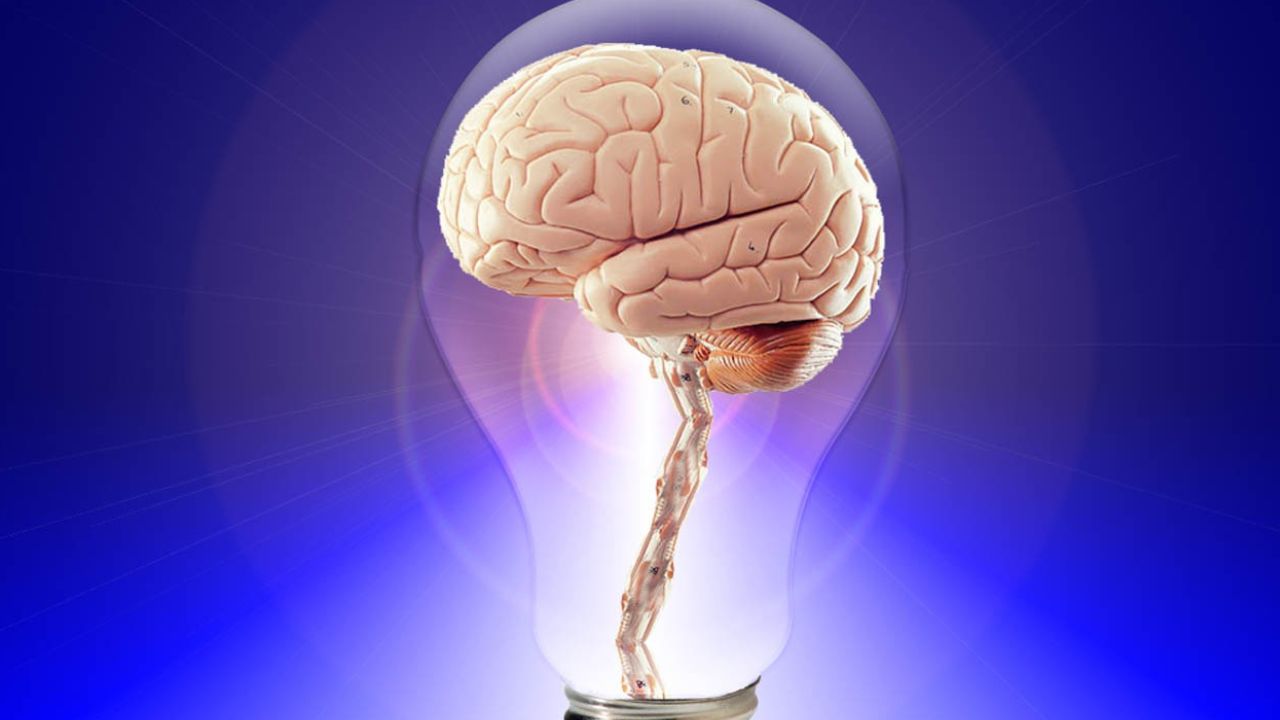

Brain health and cognitive function are essential to how we live, learn, work, and connect with others. Every thought, memory, emotion, and decision depends on the brain’s ability to process information efficiently. While many people associate brain health only with aging or disease, it is actually a lifelong concern that begins before birth and continues through every stage of life. Understanding how brain health works and what influences cognitive function empowers individuals to take proactive steps toward a sharper, healthier mind.
What Brain Health Really Means
Brain health refers to the brain’s ability to function effectively across multiple areas, including thinking, learning, memory, emotional balance, and motor coordination. A healthy brain adapts to change, manages stress, and supports clear decision-making. Cognitive function is a major component of brain health and includes skills such as attention, reasoning, language, problem-solving, and memory.
Good brain health does not mean the absence of challenges or forgetfulness. Instead, it reflects how well the brain can cope with demands, recover from setbacks, and continue to perform daily tasks. Factors such as genetics play a role, but lifestyle choices and environmental influences are equally important in shaping long-term cognitive outcomes.
Key Cognitive Functions and How They Work
Cognitive function is not a single ability but a collection of interconnected mental processes. Memory allows us to store and retrieve information, while attention helps us focus on relevant tasks. Executive functions, managed largely by the prefrontal cortex, enable planning, impulse control, and flexible thinking.
Language skills help with communication and comprehension, while processing speed determines how quickly the brain can interpret and respond to information. These functions work together continuously. For example, reading a book requires attention, language comprehension, memory, and reasoning all at once.
When one area is weakened—due to stress, fatigue, or illness—it can affect overall cognitive performance. This is why brain health must be viewed holistically rather than as isolated skills.
Factors That Influence Brain Health
Multiple factors influence brain health throughout life. Physical health is a major contributor. Conditions such as high blood pressure, diabetes, and obesity can negatively affect blood flow to the brain, increasing the risk of cognitive decline. Nutrition also plays a vital role, as the brain requires a steady supply of nutrients to maintain neural connections.
Sleep is another critical factor. During sleep, the brain consolidates memories, clears waste products, and restores energy. Chronic sleep deprivation can impair attention, memory, and emotional regulation. Stress, especially when long-term, releases hormones that can damage brain structures involved in learning and memory.
Social interaction and mental stimulation are equally important. Engaging conversations, learning new skills, and maintaining relationships help strengthen neural networks and protect cognitive function over time.
Brain Health Across Different Life Stages
Brain health needs change with age, but its importance never diminishes. In childhood, the brain is highly plastic, making it sensitive to learning experiences, emotional support, and environmental stimulation. Strong foundations during these years support better cognitive outcomes later in life.
In adulthood, brain health is closely tied to lifestyle balance. Managing stress, staying physically active, and continuing to learn help maintain cognitive sharpness. Many adults assume that cognitive decline is unavoidable, but research shows that healthy habits can preserve function well into older age.
During later life, some slowing in processing speed or memory recall is common. However, strong emotional regulation, accumulated knowledge, and problem-solving abilities often remain intact. With the right support, older adults can continue to lead mentally active and fulfilling lives.
The Role of Neuroplasticity in Cognitive Function
Neuroplasticity is the brain’s ability to change and reorganize itself in response to experience. This remarkable feature allows the brain to form new connections, strengthen existing ones, and even compensate for damage. While neuroplasticity is strongest in early life, it continues throughout adulthood and aging.
Learning a new language, practicing a musical instrument, or adapting to new technologies all activate neuroplastic processes. Physical exercise also enhances neuroplasticity by improving blood flow and supporting the growth of new neural connections. This adaptability is why it is never too late to improve cognitive function.
Supporting Brain Health Through Daily Habits
Daily habits have a powerful impact on brain health. Regular physical activity increases oxygen and nutrient delivery to the brain while reducing inflammation. A balanced diet rich in fruits, vegetables, healthy fats, and lean proteins supports neural function and protects against oxidative stress.
Mental stimulation, such as reading, puzzles, creative hobbies, or learning new skills, challenges the brain and promotes resilience. Social engagement reduces the risk of cognitive decline by combining emotional connection with mental activity. Finally, managing stress through mindfulness, relaxation, or meaningful routines protects the brain from harmful hormonal effects.
In conclusion, understanding brain health and cognitive function highlights how deeply connected the brain is to every aspect of life. Brain health is not determined by age alone but by a combination of biological, psychological, and lifestyle factors. By nurturing the brain through healthy habits, ongoing learning, and emotional well-being, individuals can support cognitive strength and mental clarity throughout their lives.
FAQs:
What is the difference between brain health and cognitive function?
Brain health is a broad concept that includes emotional, physical, and mental well-being, while cognitive function focuses specifically on thinking skills such as memory and attention.
Can cognitive function improve with age?
Yes, while some abilities may slow, others like knowledge, reasoning, and emotional control can improve, especially with active engagement and learning.
How does stress affect the brain?
Chronic stress can impair memory, reduce focus, and damage brain areas involved in learning and emotional regulation.