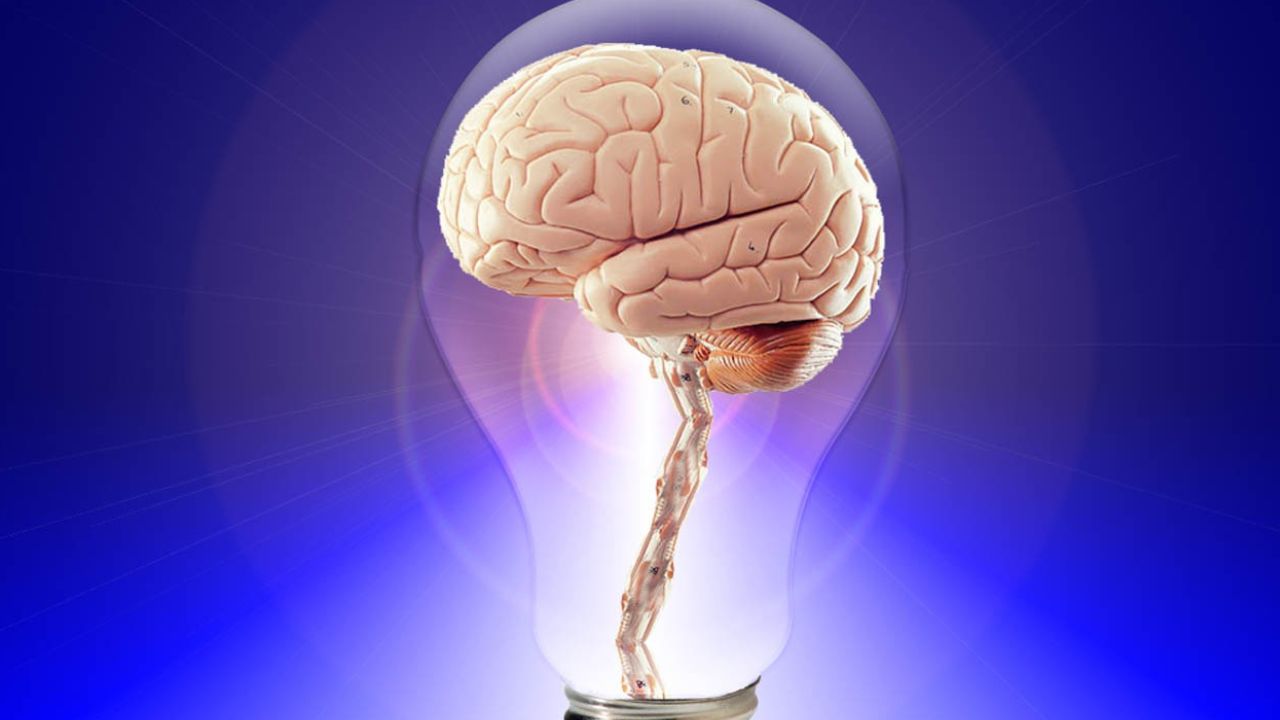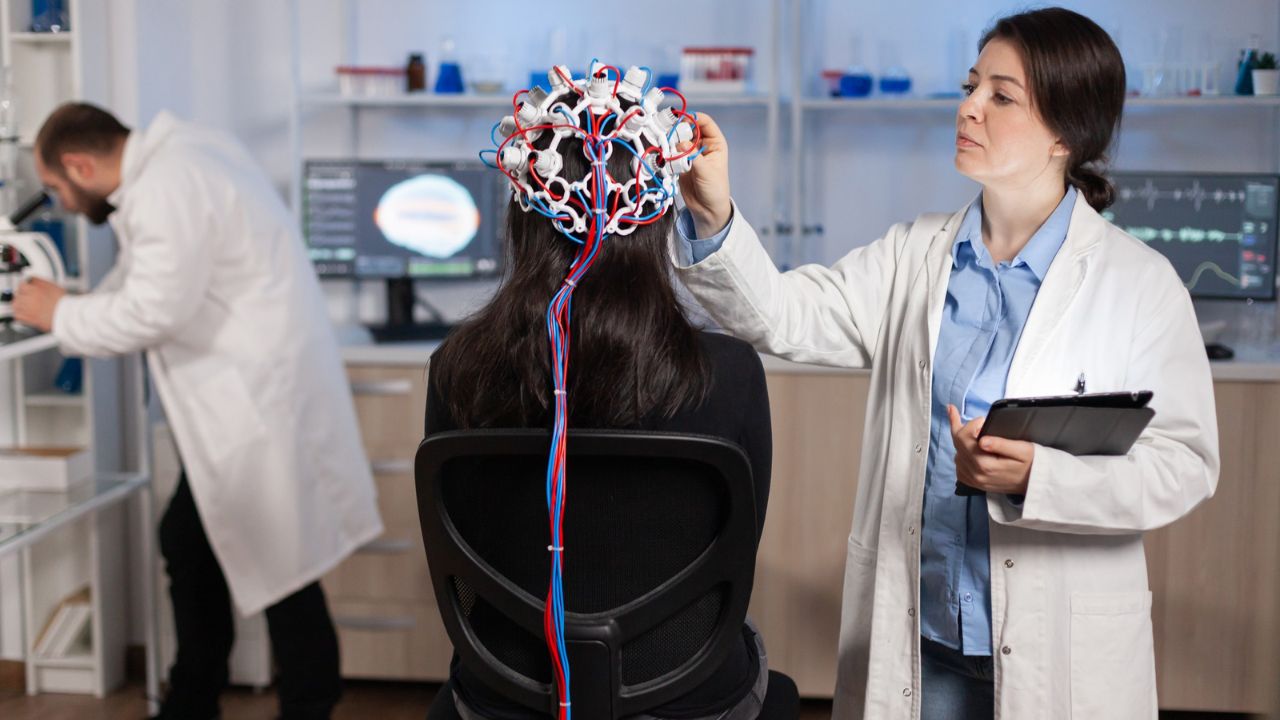

The human brain is one of the most complex and adaptive organs in the body. From the moment we are born until the final stages of life, the brain is constantly changing—structurally, chemically, and functionally. These changes influence how we think, learn, feel emotions, make decisions, and interact with the world. Understanding how the brain evolves over a lifetime helps us appreciate both the remarkable resilience of the mind and the importance of caring for brain health at every age.
Brain Development in Early Childhood
The brain undergoes its most rapid growth during early childhood. At birth, a baby’s brain is only about a quarter of its adult size, yet it already contains nearly all the neurons it will ever have. What develops dramatically in these early years are the connections between neurons, known as synapses.
During the first few years of life, the brain forms synapses at an astonishing rate, allowing children to quickly acquire language, motor skills, and basic social abilities. This period is often called a “critical window” because the brain is especially sensitive to environmental input. Positive experiences such as responsive caregiving, play, and exposure to language strengthen neural connections, while chronic stress or neglect can hinder healthy development.
As childhood progresses, the brain begins a process called synaptic pruning. Connections that are frequently used are strengthened, while those that are rarely used are eliminated. This process improves efficiency, helping the brain become faster and more specialized.
The Adolescent Brain and Emotional Growth
Adolescence marks another major phase of brain change. While the brain may appear nearly fully grown, it is far from finished. One of the most important developments during this stage involves the prefrontal cortex, the area responsible for decision-making, impulse control, and long-term planning.
At the same time, the brain’s reward and emotional centers are highly active, which helps explain why teenagers often seek novelty and take risks. This imbalance between emotional drive and self-regulation is a normal part of development, not a flaw. As connections between different brain regions strengthen, adolescents gradually gain better emotional control and reasoning abilities.
Social experiences during adolescence also play a crucial role in shaping the brain. Peer relationships, identity exploration, and emotional challenges all contribute to the fine-tuning of neural circuits that support empathy, self-awareness, and resilience.
Brain Maturity in Early and Middle Adulthood
The brain typically reaches full structural maturity in the mid to late twenties. By this stage, the prefrontal cortex is fully developed, allowing for improved judgment, emotional regulation, and complex problem-solving. Cognitive abilities such as focus, reasoning, and memory are generally at their peak during early adulthood.
In middle adulthood, the brain remains highly capable but begins to show subtle changes. Processing speed may slow slightly, and multitasking can become more challenging. However, accumulated knowledge, experience, and emotional intelligence often compensate for these changes. Many people excel in careers and relationships during this stage due to well-developed neural networks and life experience.
Importantly, the adult brain remains plastic, meaning it can still change and adapt. Learning new skills, maintaining social connections, and engaging in mentally stimulating activities continue to strengthen neural pathways well into midlife.
Aging, Memory, and Brain Adaptation
As people age, gradual changes occur in brain structure and chemistry. Brain volume may decrease slightly, and communication between neurons can become less efficient. These changes can affect memory, attention, and processing speed, making it harder to recall names or learn new information quickly.
However, aging does not automatically lead to cognitive decline. The brain often adapts by recruiting alternative neural pathways to perform tasks, a process known as compensation. This is why many older adults maintain strong reasoning skills, vocabulary, and emotional regulation.
Lifestyle factors play a significant role in how the brain ages. Regular physical activity, a balanced diet, quality sleep, stress management, and social engagement all support brain health. Lifelong learning and curiosity can also help preserve cognitive function and delay age-related decline.
The Role of Neuroplasticity Throughout Life
Neuroplasticity is the brain’s ability to reorganize itself by forming new neural connections. While it is strongest in childhood, neuroplasticity never disappears. This lifelong adaptability allows people to recover from injuries, learn new skills, and adapt to changing environments at any age.
Even in later life, the brain can grow new connections in response to mental challenges, physical exercise, and meaningful experiences. This understanding has transformed how scientists view aging—not as a period of inevitable decline, but as a stage with continued potential for growth and adaptation.
In conclusion, the brain is not a static organ but a dynamic system that evolves from infancy to old age. Each stage of life brings unique changes that shape how we think, feel, and behave. By understanding these changes and supporting brain health through positive habits and experiences, we can nurture cognitive and emotional well-being across the entire lifespan.
FAQs:
Does the brain stop developing after childhood?
No, the brain continues to develop well into the mid to late twenties, particularly in areas related to decision-making and emotional regulation.
Can adults still change their brains?
Yes, adult brains remain plastic. Learning new skills, exercising, and engaging in social activities can all lead to positive brain changes.
Is memory loss a normal part of aging?
Mild changes in memory are common with age, but significant memory loss is not inevitable and can often be reduced with a healthy lifestyle.